The $15 Billion Nordic Biologics Boom
How Denmark and Sweden Became Europe's
Biologics Manufacturing Powerhouse
While the world's attention has been on Ireland and Switzerland, the Nordic region has quietly become Europe's fastest-growing biologics manufacturing corridor. Since 2023, Denmark and Sweden have attracted over $15 billion in biologics manufacturing investment - transforming the region into a global hub for monoclonal antibodies, GLP-1 therapies, and next-generation cell and gene therapies.
This ebook examines the unprecedented investment wave reshaping Nordic biologics manufacturing, the strategic factors driving this growth, and what it means for global pharmaceutical supply chains.
Between 2023 and 2026, the Nordic region has witnessed the largest concentration of biologics manufacturing investment in European history. Here's how the numbers break down:
Note: This represents only the major, publicly announced investments. Additional facility upgrades, automation projects, and capacity expansions at smaller firms push the total Nordic biologics investment beyond $15 billion.
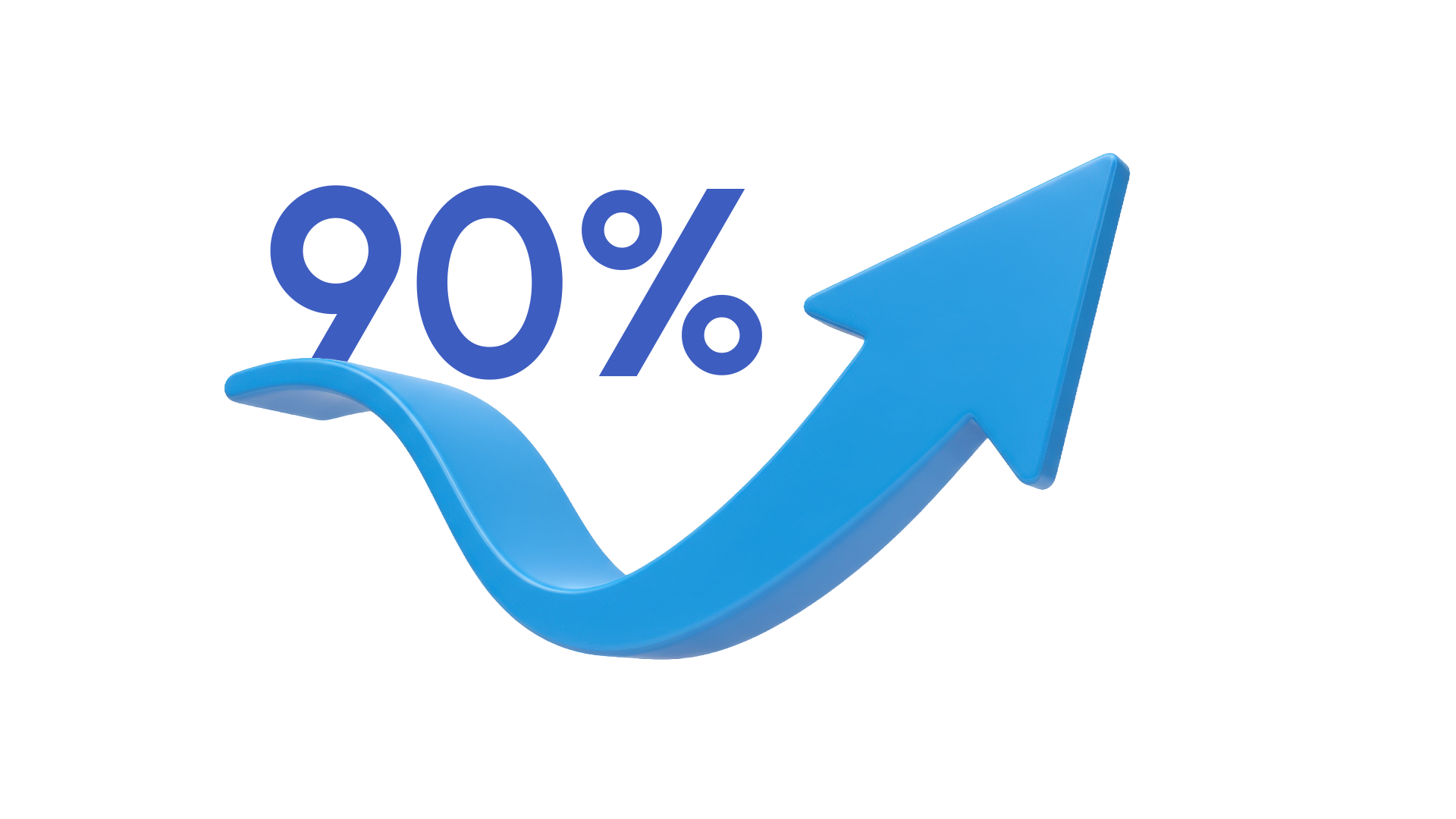
2022:
Pharma drove 90% of real GDP growth
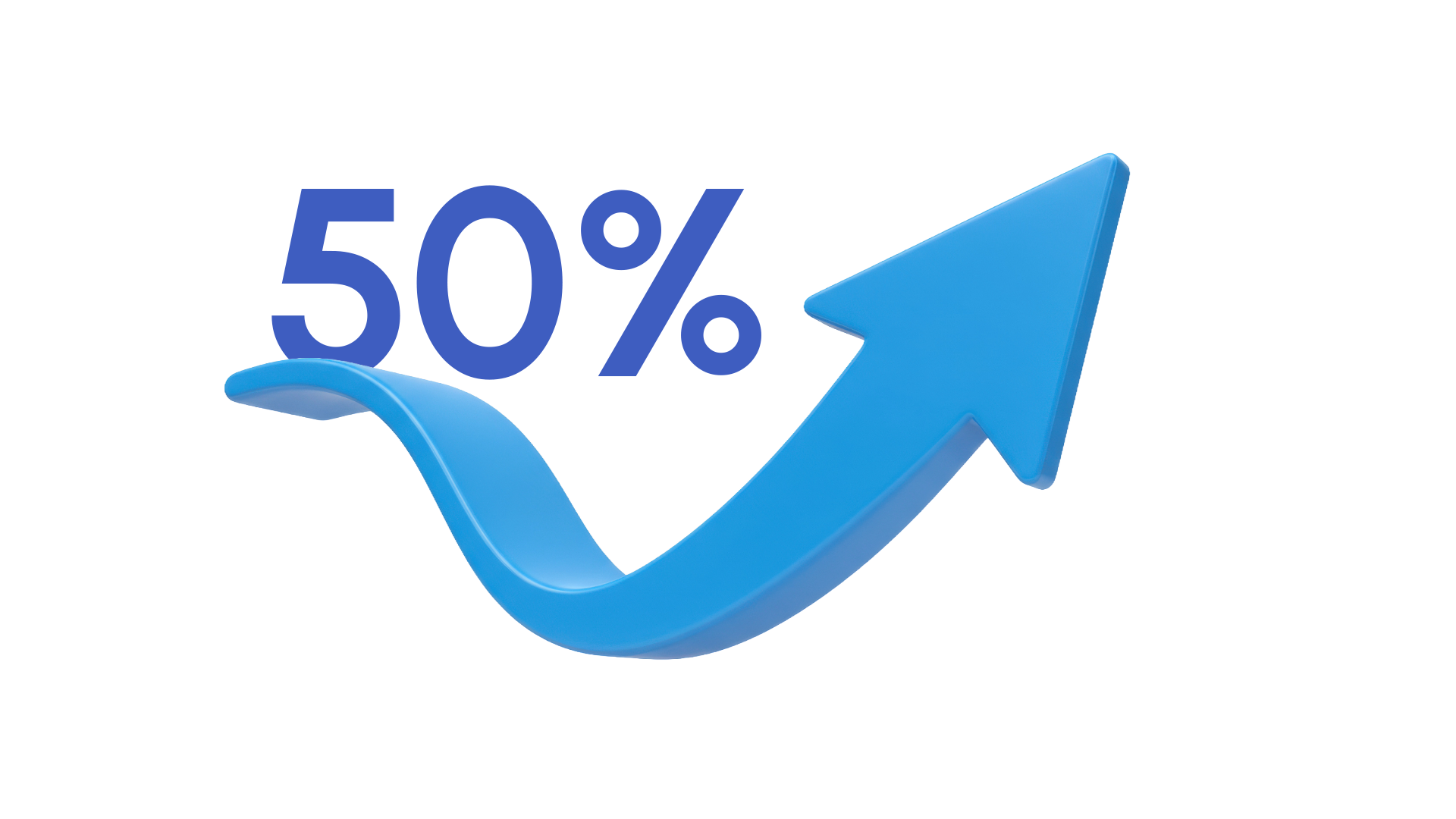
2023:
Pharma contributed ~50% of GDP growth
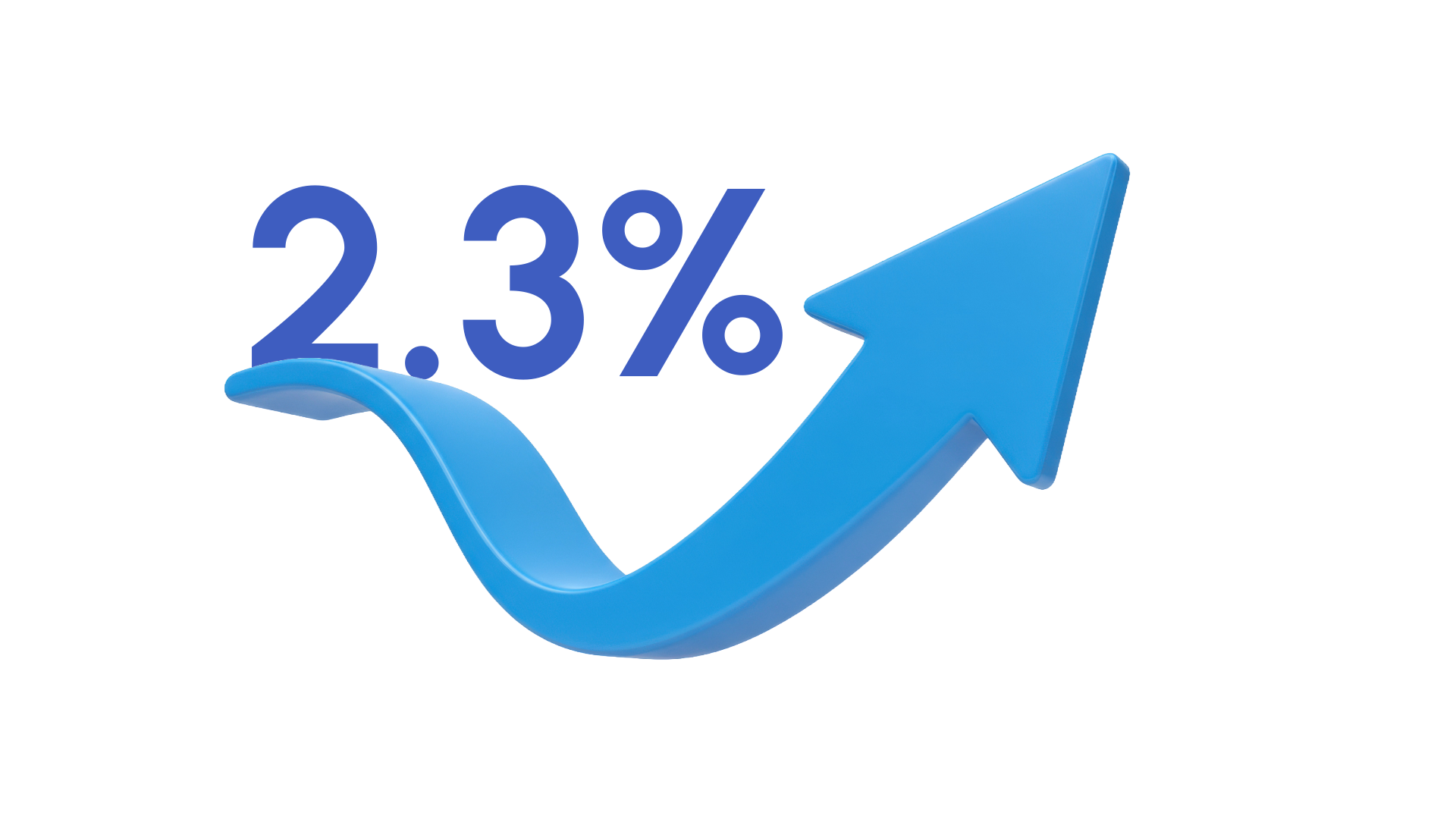
Q3 2025:
Pharma generated 2.3% quarterly GDP growth
→ Without pharma, Denmark's Q3 2025 growth would have been just 0.7%
This represents an unprecedented level of economic dependence on a single industry. Pharmaceutical exports reached $21.73 billion in 2024, accounting for 24% of all Danish goods trade. No other European country demonstrates this level of concentration in biologics manufacturing.
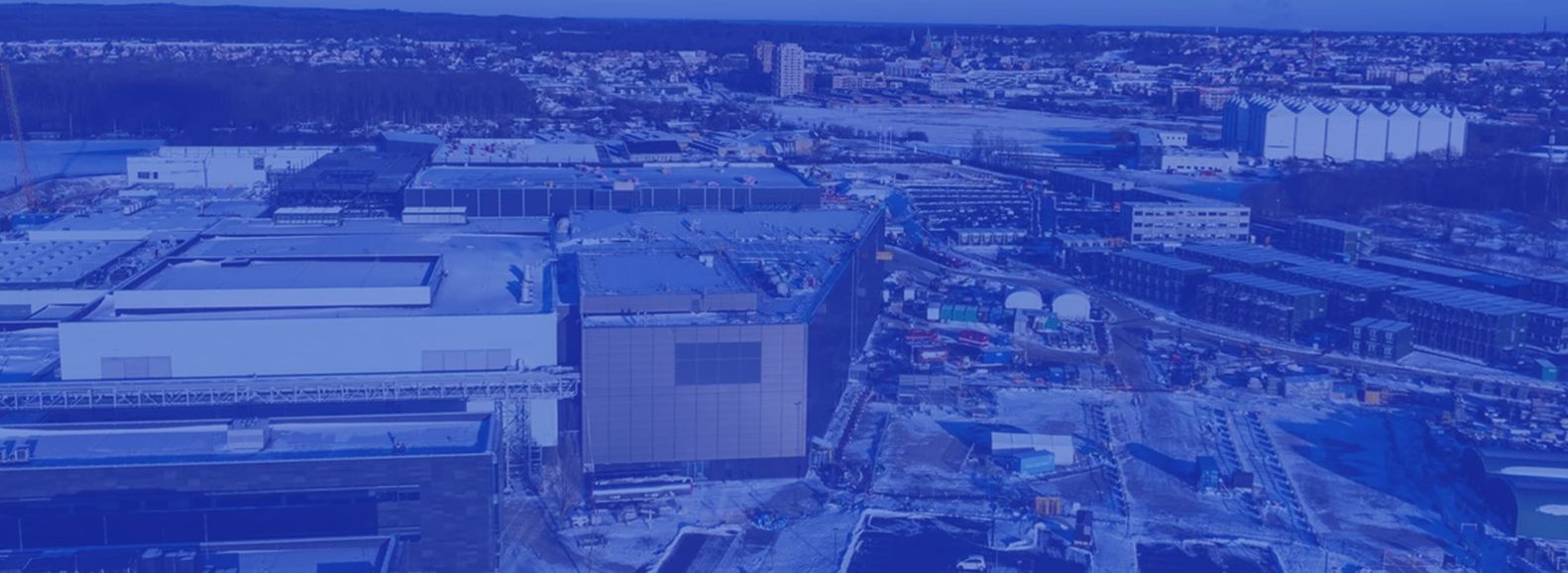
The FUJIFILM Diosynth Biotechnologies expansion at Hillerød, Denmark, represents the largest single biologics CDMO investment in European history and serves as a blueprint for Nordic manufacturing ambitions.
The Numbers
- Phase 1 (2023): $928 million for 12 × 20,000L bioreactors
- Phase 2 (2024): $1.6 billion for fill/finish capacity (35M units/year)
- Total footprint: 20 bioreactors making it one of Europe's largest end-to-end sites
- Workforce: Grew from 750 to ~1,800 employees across 70+ nationalities
- Completion: Mid-2026 (Phase 2)
Strategic Implications
The Hillerød expansion demonstrates several key trends driving Nordic biologics growth:
- Scale economics: 20,000L bioreactors deliver cost advantages for blockbuster drugs
- Vertical integration: End-to-end capabilities from cell culture through fill/finish
- Sustainability: 100% renewable energy via Power Purchase Agreement
- Global talent: 70+ nationalities demonstrate Denmark's ability to attract international workforce
- Speed: Phase 1 operational by 2025, full completion 2026
When operational, Hillerød will possess greater bioreactor capacity than many entire countries, positioning Denmark as a critical node in global pharmaceutical supply chains.
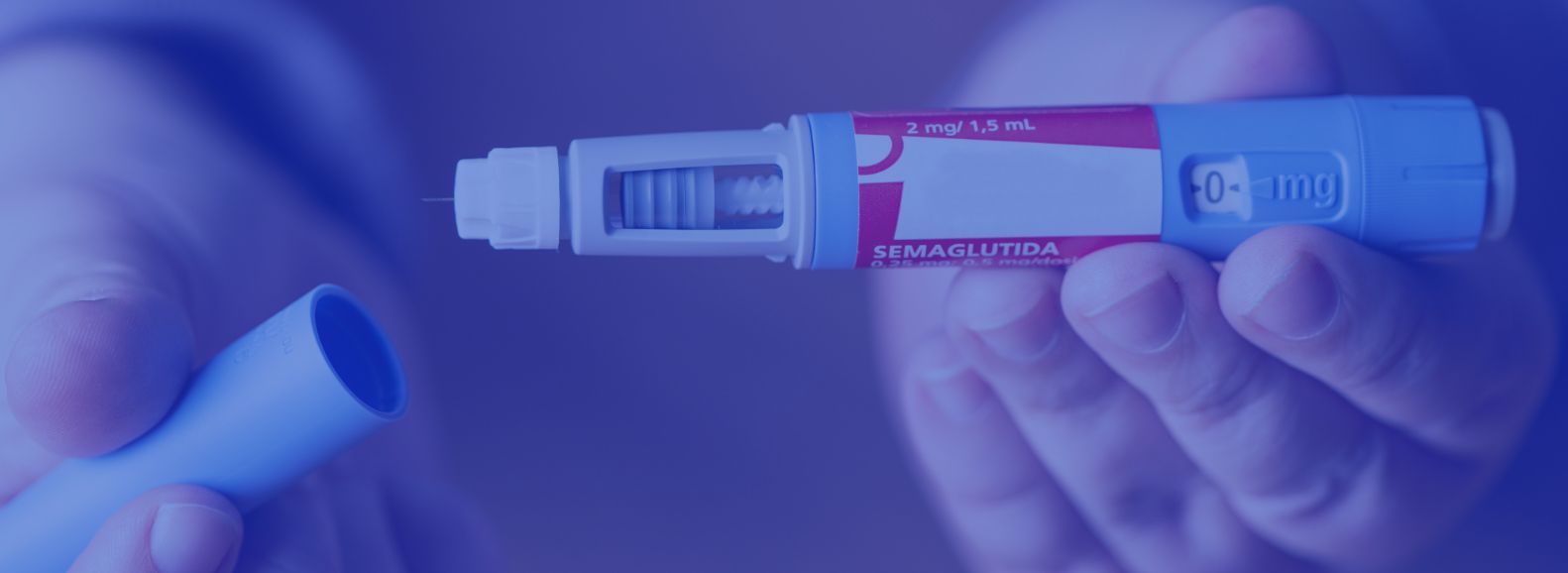
Underpinning much of the Nordic investment boom is the explosive growth in GLP-1 receptor agonist manufacturing—particularly Novo Nordisk's Ozempic (semaglutide) and Wegovy.
Market Impact
- Novo Nordisk's market capitalisation exceeded $600 billion in 2024, making it Europe's most valuable company
- Denmark's pharmaceutical exports reached $21.73 billion in 2024
- GLP-1 drugs account for the majority of Novo Nordisk's revenue growth
- PolyPeptide Group's €100M Malmö expansion explicitly targets GLP-1 peptide synthesis demand
The Patent Cliff Ahead
Semaglutide's patent protection begins expiring in 2026-2027, creating massive implications:
- Biosimilar manufacturers will require Nordic CDMO capacity
- Nordic facilities' GLP-1 expertise positions them for biosimilar contracts
- Next-generation GLP-1 drugs (oral formulations, extended-release) will require advanced manufacturing
- Competitive pressure may accelerate automation and process intensification
The GLP-1 boom has created a manufacturing ecosystem—from API synthesis through formulation—that will shape Nordic biologics for the next decade, regardless of patent expirations.

1. Established Pharmaceutical Heritage
The Nordics have manufactured insulin for over a century (Novo Nordisk founded 1923). This creates:
- Deep regulatory expertise with EMA and FDA
- Established GMP infrastructure (Denmark hosts 250+ of 503 Nordic GMP facilities)
- Supplier networks and logistics infrastructure

2. Sustainability Leadership
- 100% renewable electricity grid in Denmark and Sweden
- Carbon metrics increasingly influence procurement decisions
- FUJIFILM Hillerød: 100% renewable energy, EcoVadis Silver rating

3. Talent Pool and R&D Infrastructure
- Karolinska Institutet (Sweden) ranks among world's top medical research institutions
- Uppsala University's biotech programmes feed manufacturing workforce
- High English proficiency enables international collaboration
- Medicon Valley cluster: 65,000+ life science workers across Denmark-Sweden border

4. Favourable Regulatory and Business Environment
- Danish Medicines Agency provides world-class GMP inspection services
- Stable political environment with pro-business policies
- Streamlined permitting for manufacturing facility construction

5. Geographic Positioning
- Central European location enables efficient distribution
- Copenhagen Airport: Major cargo hub with pharma cold chain capabilities
- Proximity to major European markets
Supply Chain Resilience
With over $15 billion in new capacity, the Nordics reduce European dependence on US and Asian CDMO capacity. This geographic diversification strengthens supply chain resilience for critical medicines.
Competitive Pressure on Other Hubs
Ireland and Switzerland—traditionally Europe's biologics manufacturing centres—now face competition from Nordic facilities offering comparable quality, superior sustainability credentials, and increasingly competitive pricing due to renewable energy costs.
Talent Competition Intensifies
FUJIFILM's expansion alone added 1,000+ manufacturing positions. Simultaneously, Novo Nordisk restructured 9,000 global roles in 2025. This creates a dynamic, competitive labour market for biologics professionals—both locally and internationally.
Technology Adoption Accelerates
New Nordic facilities are incorporating digital manufacturing from day one. AstraZeneca's Benchling implementation reduced plasmid generation from 6 weeks to 2-3 weeks. AGC Biologics Copenhagen is building digital twins with Novonesis. IonQ established a quantum computational chemistry centre at AstraZeneca's BioVentureHub. The Nordics are leapfrogging into Industry 4.0.
The $15 billion+ Nordic biologics investment wave represents more than cyclical capacity expansion. It marks a fundamental geographic shift in European pharmaceutical manufacturing.
Denmark now hosts Europe's largest CDMO site (FUJIFILM Hillerød), the world's most valuable pharmaceutical company (Novo Nordisk), and a pharmaceutical sector that accounts for nearly a quarter of national goods exports. Sweden combines global pharma giants (AstraZeneca) with cutting-edge biotech clusters (Stockholm-Uppsala) and world-class CDMO capacity (NorthX, AGC).
For pharmaceutical companies evaluating manufacturing strategies, CDMO partners assessing expansion options, and suppliers targeting growth markets, the message is clear: the Nordic region has emerged as a critical node in the global biologics supply chain.
The question is no longer whether the Nordics matter for biologics manufacturing. The question is how quickly the rest of the industry will adapt to this new reality.